Bathroom Remodel in Tampa, FL
A bathroom remodel in Tampa can mean three different projects: a surface refresh, a shower rebuilt down to the studs, or the whole room taken out and started over. That is why two quotes for “the same bathroom” can look nothing alike.
Harmonia Tile & Stone remodels bathrooms across Tampa Bay and is licensed and insured. To talk through your room, call or text (813) 446-2830.
What Does a Bathroom Remodel in Tampa Include?
It depends on how deep the work goes.
A refresh. The layout stays. New floor tile, vanity, mirror, lighting and paint, sometimes a new toilet. Plumbing stays where it is. It suits a hall bath that works but looks dated.
A shower rebuild. The shower comes out to the studs so the pan, the waterproofing and the tile are all new. The rest of the room may stay. Leaks, grout that keeps cracking and a shower that never dries usually point to this scope.
A full remodel. Tub or shower, vanity, toilet and floor all come out. New waterproofing, new tile on floor and walls, new fixtures. It is also the only scope that allows a real layout change, such as turning a tub alcove into a walk-in shower.
If you are not sure which one your bathroom needs, that is what the visit is for.

The Order of the Work, and When You Decide
A bathroom is built in layers, and each layer covers the one before it. A decision made late can mean undoing finished work.
- Before demolition: layout and tile. Tile size and pattern change the wall preparation and where the cuts fall.
- With the walls open: plumbing and electrical. Moving a drain, adding a niche, a new light or an outlet all happen now.
- Waterproofing: the shower pan and the membrane on the walls.
- Tile: floor, shower walls and any accent, then grout and caulk.
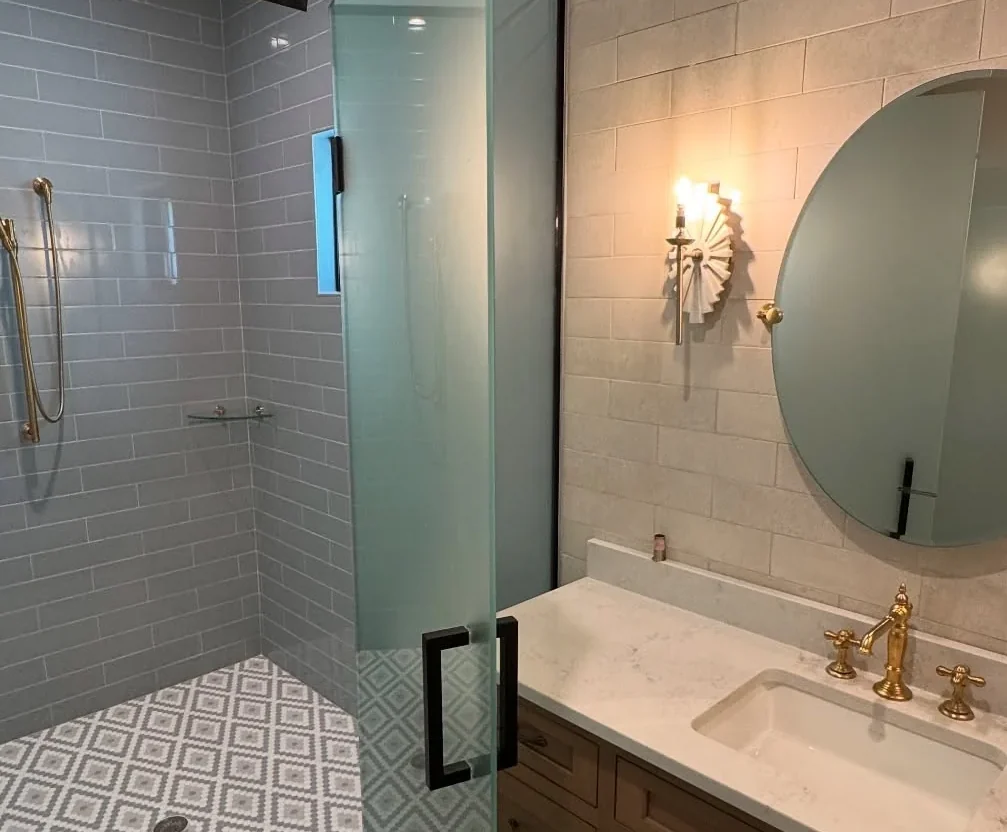
- Fixtures: vanity, toilet, mirror, hardware. Shower glass is measured after the tile is up, because the finished opening is what the glass has to fit.
The common question of floor or vanity first has a practical answer: in most remodels the floor tile goes in first and runs under where the vanity will sit, so the vanity can be changed later without a gap in the floor. A built-in vanity on a fixed base can be the exception, and that gets settled with the layout.

The Shower Is Where the Risk Is
A shower has to send water two places: down the drain, and, for the water that gets through the grout, into a waterproof layer that carries it back to the drain. Grout is not waterproof. Tile is not waterproof. The membrane and the pan are.
A shower rebuild therefore starts from the pan: a base sloped toward the drain, a membrane over the walls and corners, and extra care at inside corners and around the valve and niche openings. A niche is a hole in the waterproofing until it is sealed like the rest of the wall.
Signs a shower needs more than new grout:
- A musty smell that does not clear
- Grout that cracks again in the same line
- Tile that sounds hollow or moves
- A stain on the ceiling or wall on the other side
- A base that stays wet long after the water is off
Tub, Walk-In Shower, or Both?
- Keep a tub in at least one bathroom if you have small children or expect to sell to families.
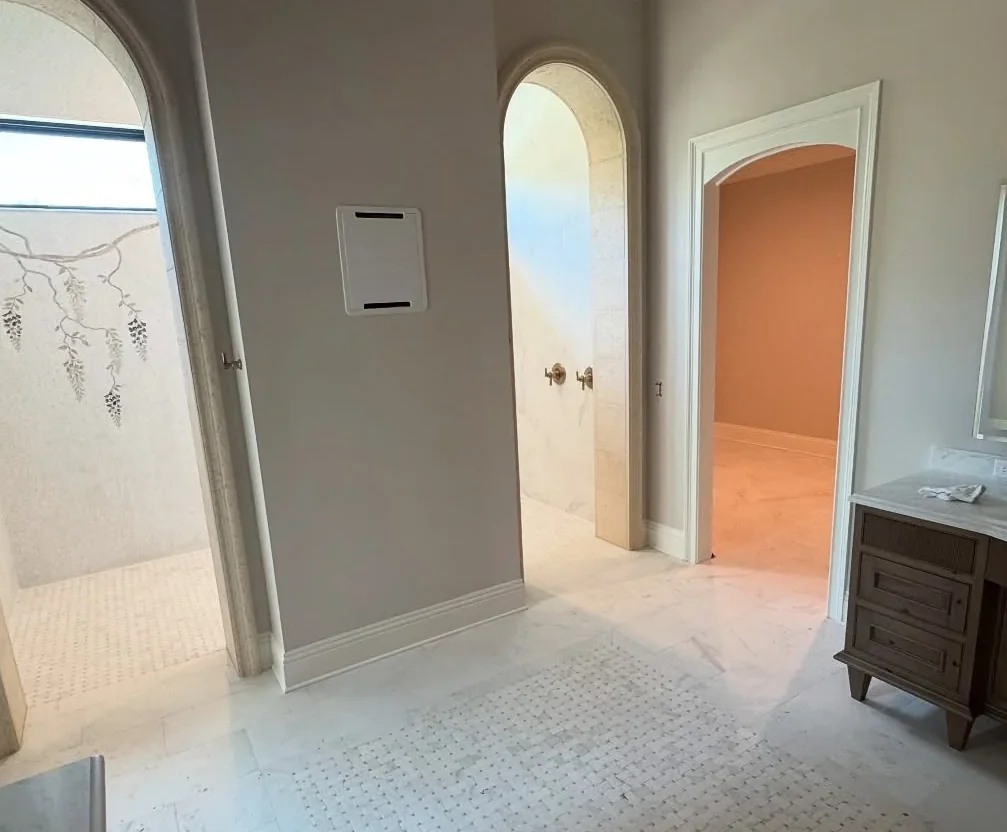
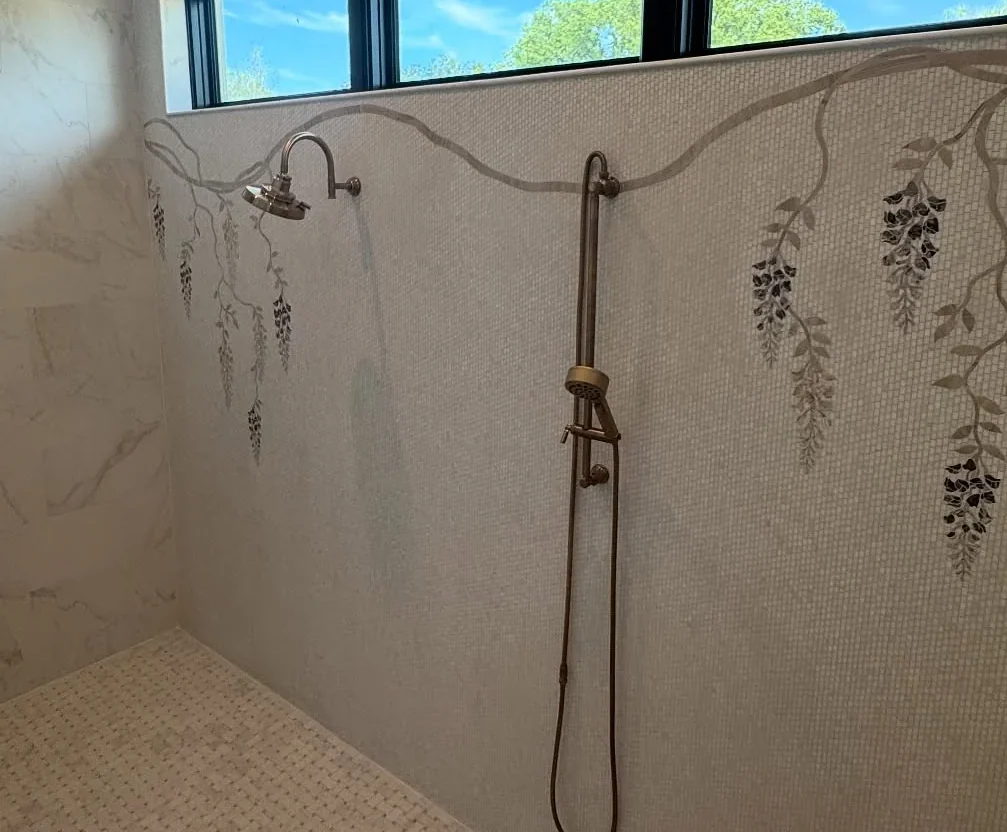
- A walk-in shower is usually the better use of space in a primary bathroom where the tub is rarely used.
- A curbless shower needs the floor recessed or built up for the slope, so it belongs in a full remodel, not a refresh.
- Blocking for grab bars costs very little while the wall is open, even if the bars go in years later.
In a tub-to-shower conversion, keeping the existing drain location when it works keeps the plumbing work contained.

Humidity, Ventilation and Materials
Florida bathrooms dry slowly, and a room that stays damp shows it first in the grout and the caulk lines.
Waterproofing handles the water behind the tile. Ventilation handles the air: an exhaust fan sized for the room, ducted outside rather than into the attic, and left running long enough after a shower to clear the steam.
Porcelain absorbs very little water, which is why it is the default for showers and bathroom floors. Natural stone works in a bathroom too, with sealing and pH-neutral cleaners. The Travertine & Marble page covers what that involves.

Choosing Tile for the Room
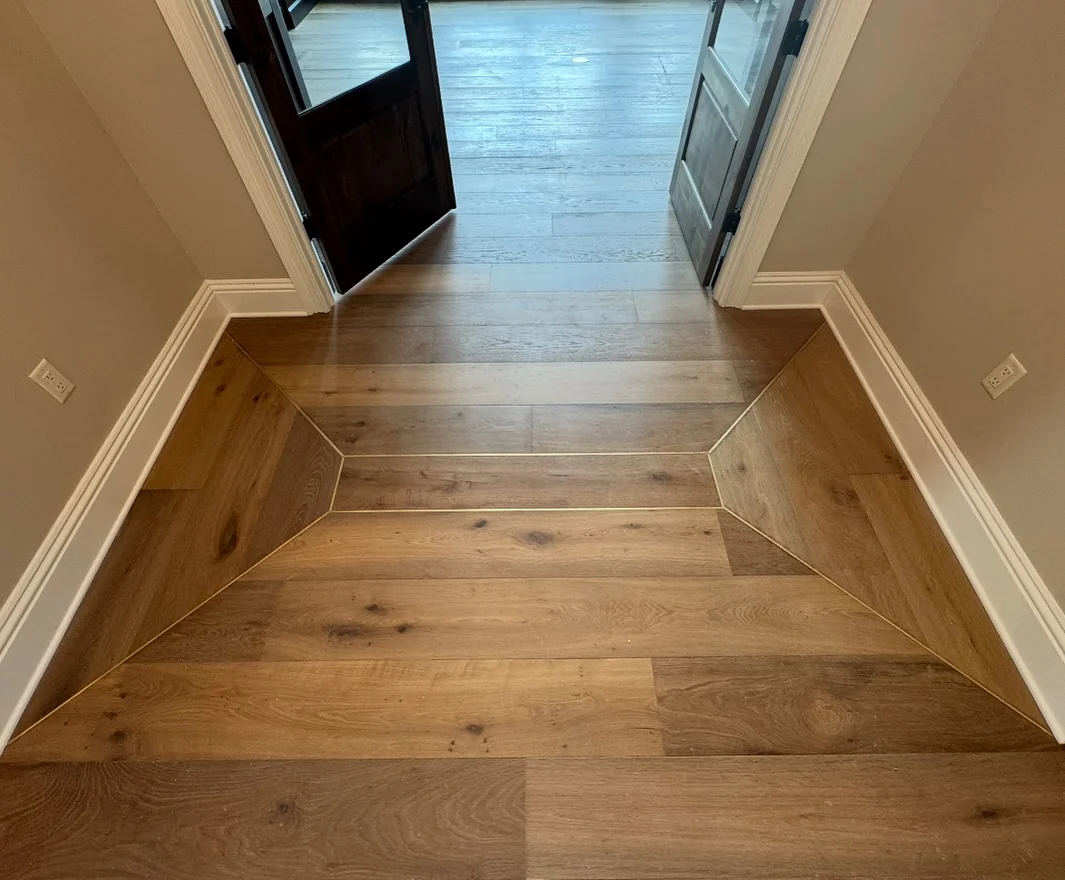
- Bathroom floors: a textured or matte finish. Polished stone and glossy porcelain get slick when wet.
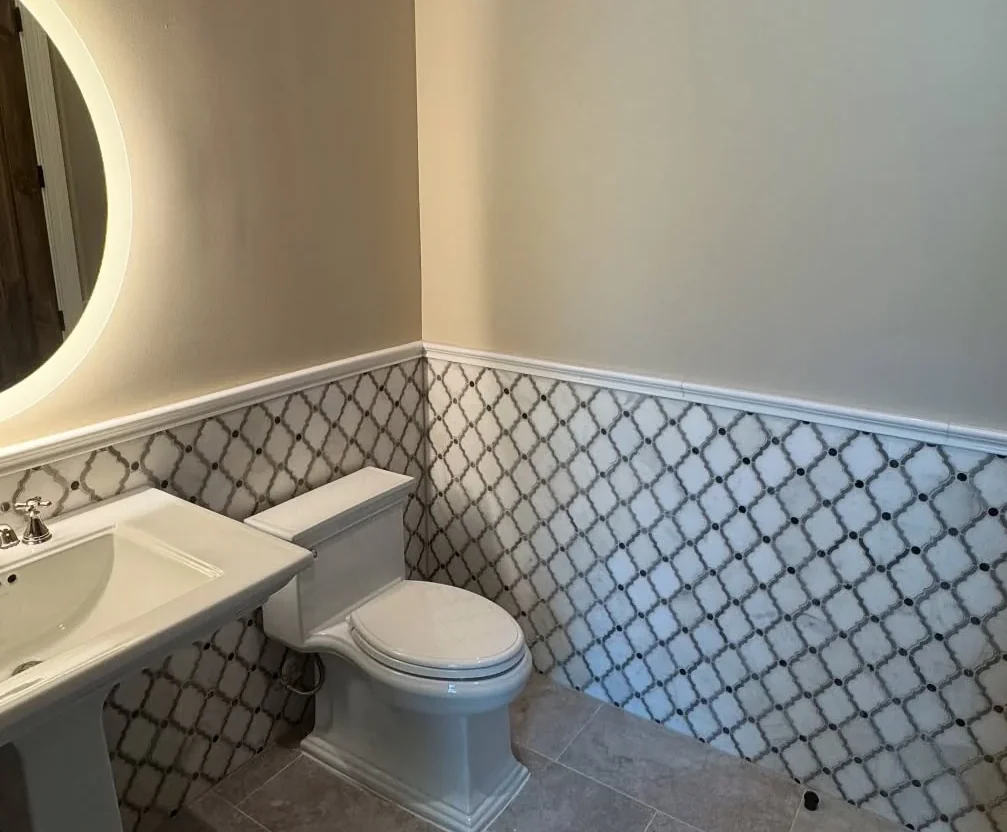
- Shower floors: small tiles or mosaics, which follow the slope of the pan and give bare feet more grip.
- Shower walls: large format leaves fewer grout lines but needs flat walls. Wavy framing is corrected first, or a smaller tile is chosen.
- Grout color: matching the tile hides the grid, contrasting shows it. Light grout on a shower floor shows wear sooner.
For tile in kitchens and the rest of the house, see Tile Installation.

What Moves the Price of a Bathroom Remodel
- Whether plumbing and electrical stay where they are
- The condition of the walls and subfloor once the old tile is off
- Tile size, pattern and the number of cuts
- Shower glass, which is usually priced separately
- Vanity and fixtures, and their lead time
- One bathroom or two at the same time
After the visit you get a written scope with the price and the schedule. If something unexpected turns up once the walls are open, you hear about it before the work continues.

Living in the House During the Work
The bathroom is out of use from demolition until the toilet and fixtures go back in. Water is shut off for parts of the job, not for all of it. Demolition is the loud, dusty day; tile days are quieter.
If it is the only bathroom in the house, say so when you call. It changes how the work is scheduled.

Planning a Bathroom Remodel in Tampa
Send a few photos of the room and a line about what you want to change, and we will schedule a visit. Request an estimate at (813) 446-2830, by call or text.
Ready to Start Your Project?
Tell us what you have in mind and we’ll give you a clear quote.
Areas We Serve
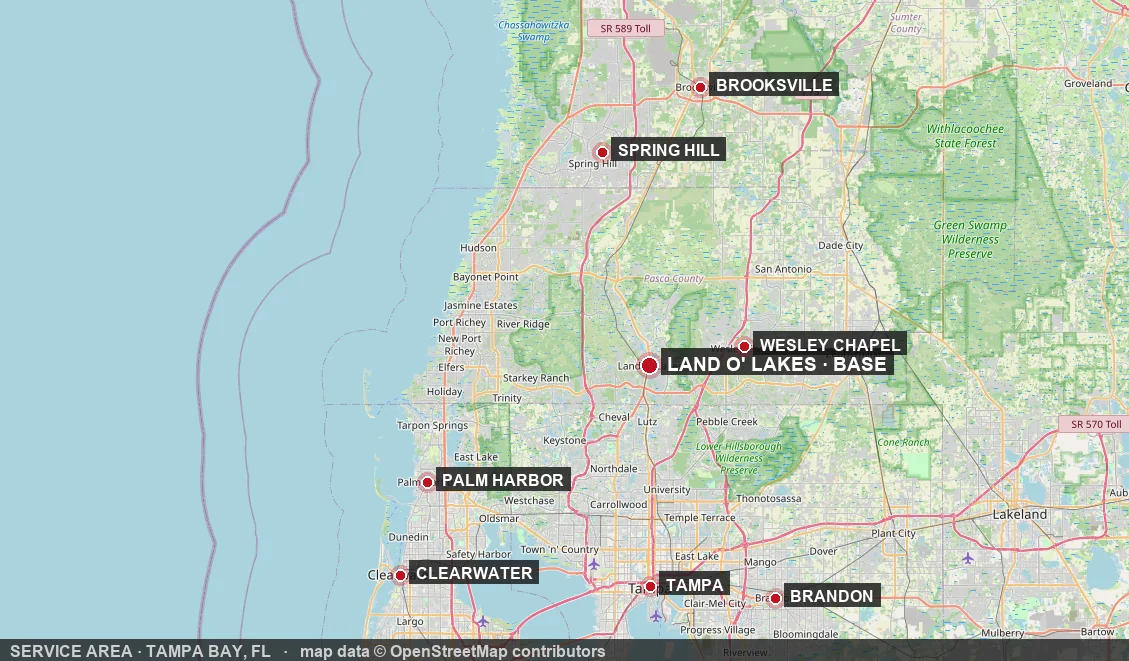
Bathroom remodels in Tampa and across Tampa Bay, from Land O’ Lakes.
Let’s Talk About Your Project
Tell us what you have in mind and send photos if you have them. We will get back to you to set up a visit.
Bathroom Remodel in Tampa: FAQ
Does a bathroom remodel need a permit?
Your city or county building department decides that. It usually depends on whether the job moves plumbing, drains or electrical: replacing tile and fixtures in the same layout is treated differently from relocating a shower. We go over which case your project is at the estimate.
Do I need to remove the old shower tile?
Almost always. The tile has to come off down to the studs so the waterproofing behind it can be replaced. On a bathroom floor it depends on whether the old tile is solid, bonded and low enough not to create a step at the door.
Can I keep my tub and only redo the walls?
Yes, when the tub is in good condition. The surround comes off, the walls are waterproofed and tiled around the tub. It is a common middle option.
Is marble a good choice for a bathroom?
On walls and around the vanity, yes. On a shower floor or a busy family bathroom floor, porcelain is easier to live with. Marble needs sealing and pH-neutral cleaners, and acidic products etch it.
Can you remodel two bathrooms at once?
Yes, when the house has another bathroom to use in the meantime. Doing both together shares the demolition and setup days; doing them one after the other keeps a bathroom available.
Do you only do the tile, or the whole bathroom?
Both. We take on complete remodels, and we also do tile-only work in a bathroom.